About The Song
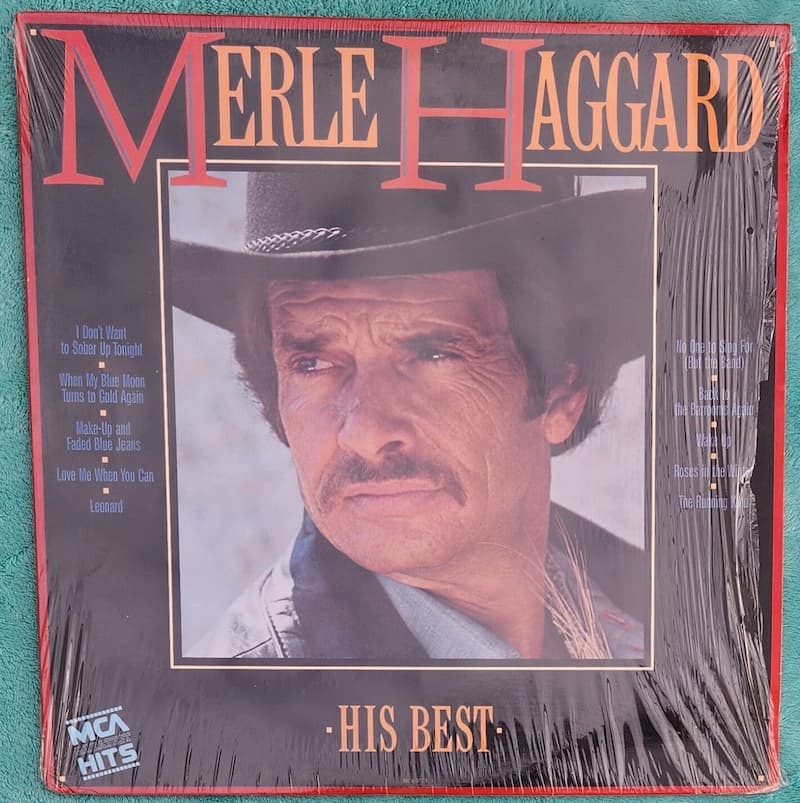
In October 1980 Merle Haggard released the album Back to the Barrooms on MCA Records. The project reached number eight on the Billboard Top Country Albums chart and featured several tracks centered on drinking as a response to heartbreak. “I Don’t Want To Sober Up Tonight,” written by Haggard himself, appears as track six and serves as one of the album’s most direct statements on choosing intoxication over facing reality. The song runs about three and a half minutes and fits within the record’s honky-tonk framework.
Back to the Barrooms was recorded in June 1980 in Nashville and marked a deliberate return to the hard-drinking themes that had defined some of Haggard’s earliest work. The album explores the wreckage of broken relationships and the temporary relief found in a barroom. Critics later described it as one of his strongest MCA efforts, noting its consistent tone and committed performances. It arrived during a period when Haggard was navigating personal strains, including difficulties in his marriage to Leona Williams.
The song presents a narrator with no interest in sobering up or pretending everything is fine. He wants to keep his mind hazy rather than confront uncomfortable truths or change his behavior to please someone else. Haggard delivers the lines with weary acceptance, turning the choice to keep drinking into both a small act of defiance and a way to blunt emotional pain. It is a plainspoken expression of preferring temporary numbness to forced composure.
Within the album the track sits alongside other drinking songs such as the title cut and the major hit “I Think I’ll Just Stay Here and Drink.” Together they paint a cohesive picture of barroom life as both escape and familiar ground. Haggard had visited similar territory in the 1960s with songs like “Swinging Doors,” but here the perspective carries the weight of additional years and lived experience.
Production, handled primarily by Jimmy Bowen, keeps the arrangement straightforward. Members of The Strangers, including Norm Hamlet on steel guitar, supply the familiar instrumental support that anchored much of Haggard’s sound. The result emphasizes the vocal and the song’s central message without extra ornamentation, matching the album’s overall lean approach to traditional country themes.
The song reflects Haggard’s long-standing habit of writing honestly about the ways people cope when relationships and circumstances turn difficult. Although it was not issued as a single, it strengthens the album’s reputation as a unified statement on working-class struggles and quiet resilience. Back to the Barrooms demonstrated that Haggard could revisit classic motifs later in his career and still make them feel immediate.
“I Don’t Want To Sober Up Tonight” remains a clear example of his ability to capture the small rebellions people use to get through hard times. It fits into a larger body of work that treats drinking less as celebration and more as a response to deeper disappointments. For fans of his catalog, the track serves as a reminder of how consistently he returned to the barroom as both setting and metaphor across decades.